What is HPV?
Human papillomavirus, or HPV, is a common virus. It spreads through skin-to-skin contact. Most people get HPV at some point in their lives. However, many do not know they have it. Some types of HPV can cause health problems. For example, they may lead to cervical cancer or genital warts. Because of this, understanding HPV is important for every parent.
Why is the HPV Vaccine Important for Young Girls?
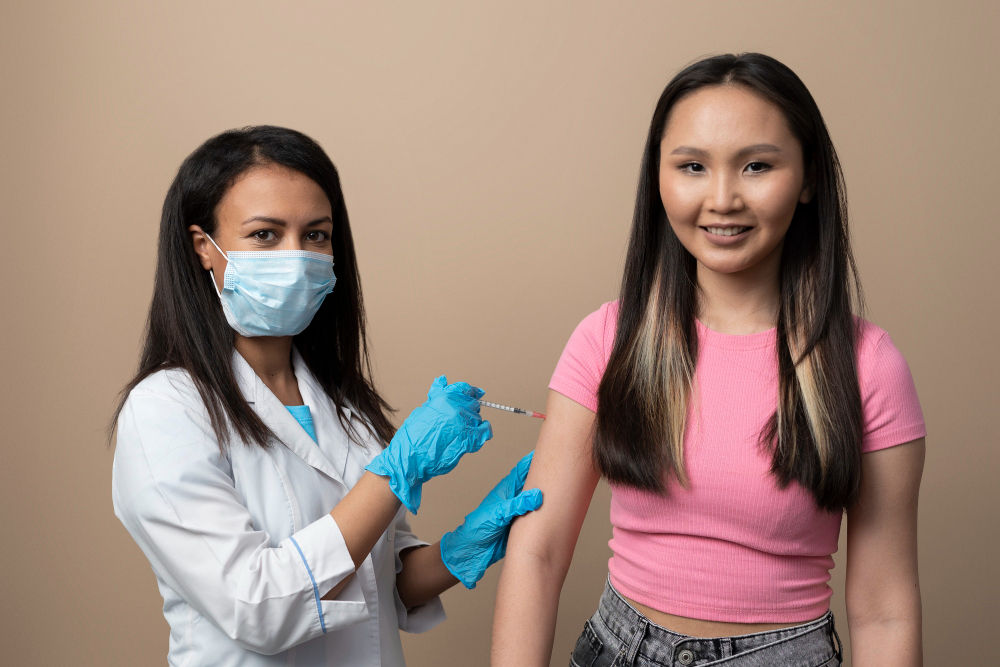
HPV vaccine for young girls helps prevent serious diseases. It protects against the types of HPV that cause most cervical cancers. In addition, it can prevent other cancers and genital warts. Early vaccination means better protection. Therefore, giving the vaccine before exposure to HPV is best. This is why health experts recommend it for young girls.
How Does the HPV Vaccine Work?
The HPV vaccine teaches the body to fight the virus. It uses harmless parts of the virus to build immunity. As a result, if your child comes in contact with HPV later, her body can fight it off. The vaccine does not treat existing infections. Instead, it works best as a preventive step.
Recommended Age and Schedule for Vaccination
Experts recommend the HPV vaccine for young girls starting at age 9. However, most children get it at ages 11 or 12. The vaccine works best before any exposure to HPV. The CDC suggests:
It is important to follow the schedule for full protection.
Common Myths and Facts About the HPV Vaccine
Safety and Side Effects
Many parents worry about vaccine safety. However, the HPV vaccine for young girls has been studied for years. The CDC and WHO confirm it is safe. Most side effects are mild and go away quickly. These may include:
Serious side effects are very rare. If you have concerns, talk to your doctor.
How to Access the HPV Vaccine
Getting the HPV vaccine for young girls is easy in many places. You can ask your child’s doctor or local clinic. Many schools and health departments offer the vaccine. In some areas, there are free or low-cost programs. For example, the Vaccines for Children (VFC) program in the United States helps families get vaccines at no cost. Check with your healthcare provider about local options.
Tips for Parents: Supporting Your Child Through Vaccination
Helping your child feel comfortable is important. Here are some tips:
With support, most children handle vaccination well.
Prevention and Long-Term Benefits
HPV vaccination offers long-lasting protection and helps prevent most cervical cancers and other HPV-related diseases. At Shree PKV Hospital, families are guided on timely HPV vaccination to safeguard a child’s future health. By choosing vaccination through Shree PKV Hospital, parents also contribute to lowering HPV rates in the wider community.
To sum up, the HPV vaccine is safe, effective, and vital for your child’s well-being. Consult your healthcare provider at Shree PKV Hospital to learn more about HPV vaccination and protect your child’s future health.