Introduction to Pelvic Inflammatory Disease (PID)
Pelvic Inflammatory Disease (PID) is an infection of a woman’s reproductive organs. It often affects the uterus, fallopian tubes, and ovaries. Because PID can cause serious health problems, early treatment is important. According to the CDC, PID is a common cause of infertility and long-term pelvic pain. Many women do not notice symptoms at first. However, knowing about PID can help you protect your reproductive health.
Symptoms of PID
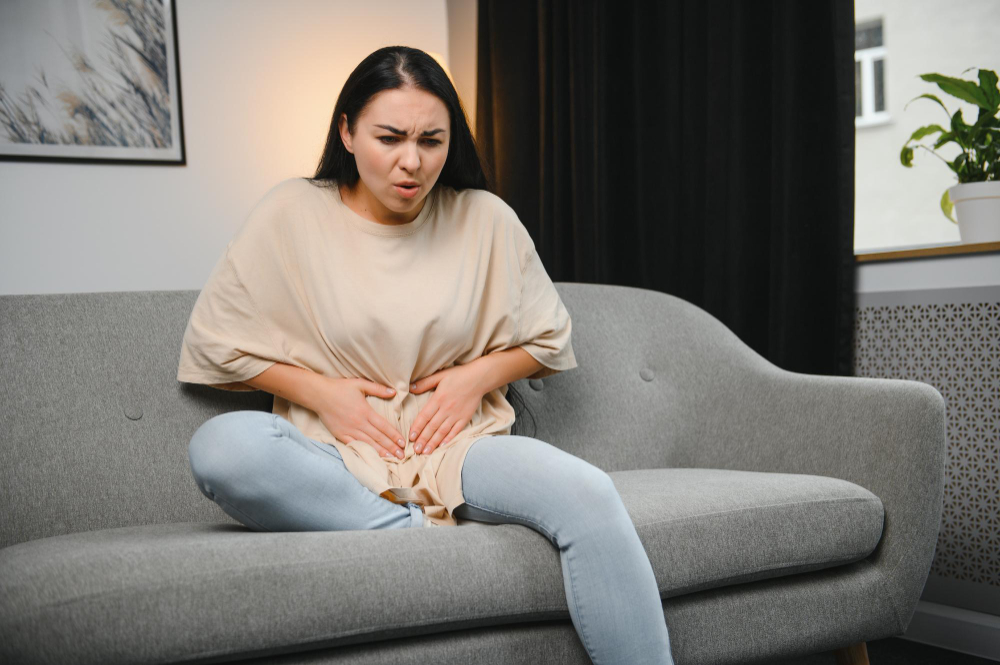
PID symptoms can be mild or severe. Sometimes, women have no symptoms at all. Still, it is important to watch for signs. Early detection can prevent complications. Common symptoms include:
If you notice any of these signs, seek medical help. Quick action can make a big difference.
Causes and Risk Factors
Most often, Pelvic Inflammatory Disease is caused by bacteria. These germs usually travel from the vagina to the reproductive organs. The most common causes are sexually transmitted infections (STIs), such as chlamydia and gonorrhea. However, other bacteria can also lead to PID. Several factors can increase your risk:
Because these risk factors are common, regular check-ups are important for women’s reproductive health.
Diagnosis Methods
Doctors use several methods to diagnose PID. First, they ask about your symptoms and medical history. Next, they perform a physical exam. During the exam, your doctor may check for pain in the lower belly. In addition, they may take samples of vaginal or cervical fluid to test for infection. Sometimes, doctors use other tests, such as:
Early diagnosis helps prevent serious problems, including infertility.
Treatment Options
Prompt PID treatment is key to protecting your health. Doctors usually prescribe antibiotics to fight the infection. Sometimes, you may need more than one type of antibiotic. It is important to take all your medicine, even if you feel better. In some cases, women need to stay in the hospital. This is more likely if the infection is severe or if you are pregnant. Rarely, surgery is needed if an abscess (a pocket of pus) forms. According to the CDC, treating sexual partners is also important to prevent reinfection.
Prevention Tips
Preventing Pelvic Inflammatory Disease is possible. You can lower your risk by following these tips:
Because early treatment of STIs can stop PID before it starts, regular screening is important for women’s reproductive health.
Lifestyle Guidance for Recovery
After PID treatment, taking care of yourself helps you heal. For example, finish all your antibiotics as prescribed. Rest as much as possible and drink plenty of fluids. Avoid sex until your doctor says it is safe. In addition, follow up with your doctor to make sure the infection is gone. If you have pain, ask your doctor about safe pain relief options. Good self-care supports a full recovery.
When to See a Doctor
If you notice symptoms of PID, do not wait. Seek medical help right away. Early treatment can prevent long-term problems. You should also see a doctor if you have:
Because PID can cause serious health issues, quick action is best. If you experience symptoms of PID, consult a healthcare professional at Shree PKV Hospital for personalized advice.