What is Osteoporosis?
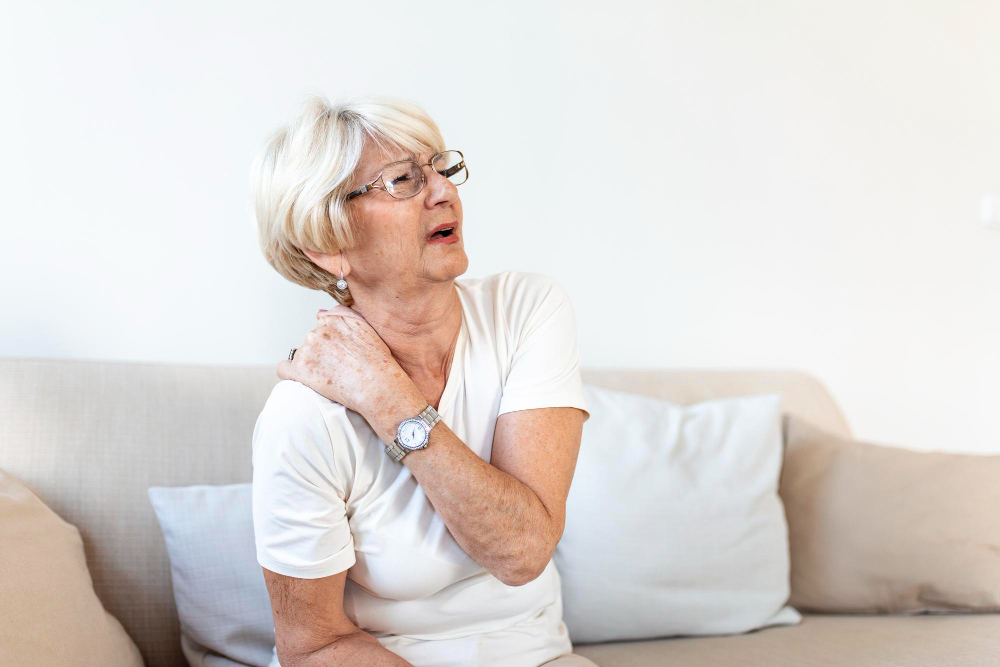
Osteoporosis is a condition where bones become weak and brittle. Because of this, even a small fall or bump can cause a bone to break. In fact, osteoporosis is common among older adults, especially women. According to the World Health Organization (WHO), millions of people worldwide have osteoporosis. Early detection and care can help lower the risk of fractures. For this reason, understanding osteoporosis is important for everyone.
Causes of Osteoporosis
Many factors can lead to osteoporosis. Some causes are beyond your control, but others can be managed. Here are the main causes:
Because these causes vary, it is important to know your risk factors. If you have any, talk to your doctor early.
Symptoms of Osteoporosis
Osteoporosis is often called a “silent disease.” This is because you may not notice any signs until a bone breaks. Still, some symptoms can appear as the disease gets worse. Watch for these signs:
Because symptoms can be mild at first, regular check-ups are important. Early treatment can help prevent serious problems.
Diagnosis
Doctors use several methods to diagnose osteoporosis. Early diagnosis can help you start treatment sooner. Here are common ways osteoporosis is found:
If you are at risk, ask your doctor about getting tested. Because early diagnosis is key, do not wait for symptoms to appear.
Treatment Options
There are many osteoporosis treatment options available. Your doctor will choose the best plan for you. Treatment often includes:
Because each person is different, your treatment may vary. Always follow your doctor’s advice for the best results.
Lifestyle Tips for Bone Health
Simple changes can help keep your bones strong. Try these bone health tips:
Because small steps add up, start making changes today. Your bones will thank you in the long run.
Prevention Strategies
Preventing osteoporosis is possible with the right habits. Here are some prevention strategies:
Because prevention is easier than treatment, start early. Healthy bones support you for life.
For personalized osteoporosis advice, consult a healthcare specialist at Shree PKV Hospital. Early action can make a big difference in your bone health.