Endometriosis is a common health condition that affects many women worldwide. In this condition, tissue similar to the lining inside the uterus grows outside it. Because of this, endometriosis can cause pain and other problems. Many women do not know they have it until symptoms become severe. Understanding endometriosis is important for early care and better health.
What is Endometriosis?
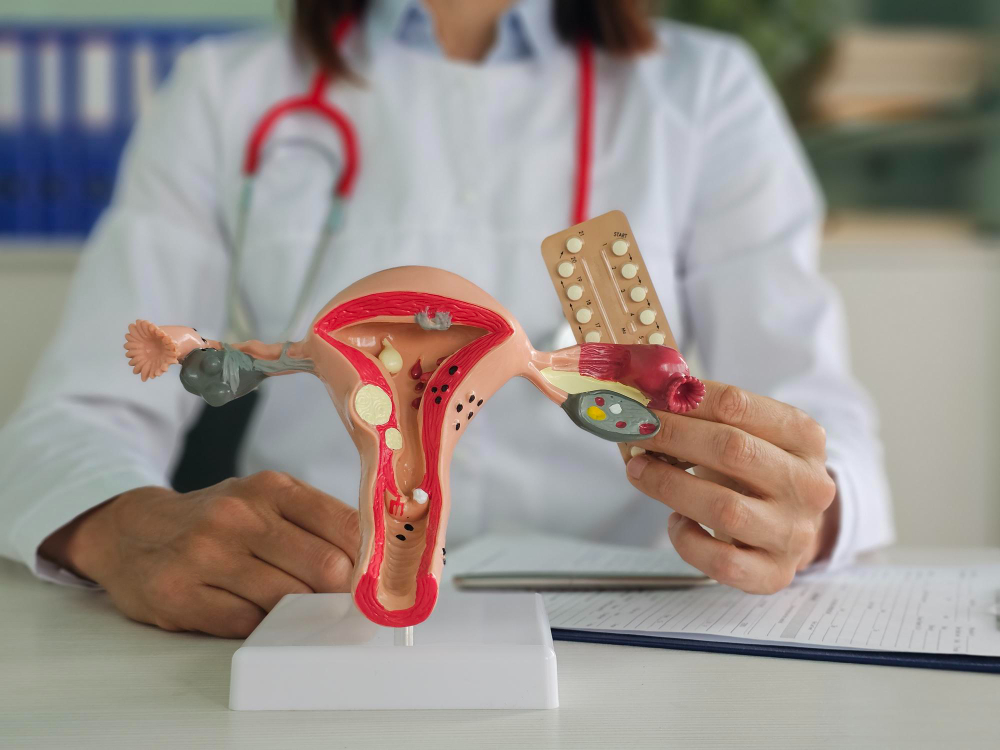
Endometriosis happens when tissue like the uterine lining grows in places it should not. For example, it may grow on the ovaries, fallopian tubes, or other organs in the pelvis. As a result, this tissue acts like normal uterine lining. It thickens, breaks down, and bleeds with each menstrual cycle. However, because it is outside the uterus, the blood has nowhere to go. This can cause pain, swelling, and scar tissue.
Although endometriosis is not life-threatening, it can affect daily life. Many women with endometriosis struggle with pain and fertility issues. According to the World Health Organization (WHO), about 10% of women of reproductive age have endometriosis.
Common Symptoms of Endometriosis
Symptoms of endometriosis can vary from mild to severe. Sometimes, women have no symptoms at all. However, the most common signs include:
Because these symptoms can be similar to other conditions, it is important to talk to a doctor if you notice them.
Causes and Risk Factors
The exact cause of endometriosis is not clear. However, several factors may increase the risk:
Although these factors can raise your risk, anyone with periods can develop endometriosis. Still, knowing your risk can help you watch for symptoms early.
How Endometriosis is Diagnosed
Doctors use several steps to diagnose endometriosis. First, they ask about your symptoms and medical history. Next, they may do a pelvic exam to feel for lumps or tender areas. However, endometriosis cannot always be felt during an exam.
To get a clearer picture, doctors may use:
Laparoscopy is the only way to confirm endometriosis for sure. However, not everyone needs this test right away.
Treatment Options for Endometriosis
Treatment for endometriosis depends on your symptoms and plans for pregnancy. Many women find relief with one or more of these options:
Because each person is different, your doctor will help you choose the best treatment. In some cases, a mix of treatments works best.
Lifestyle Tips and Self-Care
Although medical treatment is important, self-care can also help manage endometriosis symptoms. For example, you can try:
Because everyone is different, you may need to try several tips to see what works best for you.
Preventive Measures and When to See a Doctor
There is no sure way to prevent endometriosis. However, you can lower your risk by:
If you notice symptoms like severe period pain, heavy bleeding, or pain during sex, see a doctor. Early diagnosis and treatment can help prevent complications and improve your quality of life.
Call to Action: If you think you may have endometriosis or have questions about your symptoms, consult a healthcare specialist at Shree PKV Hospital. Early care can make a big difference in managing endometriosis and living well.