What Is Diabetic Retinopathy?
Diabetic retinopathy is an eye problem caused by diabetes. It affects the blood vessels in the retina, which is the part of your eye that senses light. Over time, high blood sugar can damage these tiny blood vessels. As a result, vision problems may develop. Early detection is important because diabetic retinopathy can lead to vision loss if not treated. According to the CDC, this condition is a leading cause of blindness in adults.
Symptoms of Diabetic Retinopathy
Often, diabetic retinopathy does not cause symptoms in the early stages. However, as the disease gets worse, you may notice changes in your vision. For example, you might see:
Because symptoms can be mild at first, regular eye exams are very important. Early treatment can help prevent serious vision loss.
Causes and Risk Factors
Diabetic retinopathy develops when high blood sugar damages the blood vessels in the retina. Over time, these vessels can leak fluid or bleed. In some cases, new, weak blood vessels may grow, which can also cause problems. Several factors can increase your risk, including:
Therefore, managing your diabetes and other health conditions can lower your risk of diabetic eye disease.
How Is Diabetic Retinopathy Diagnosed?
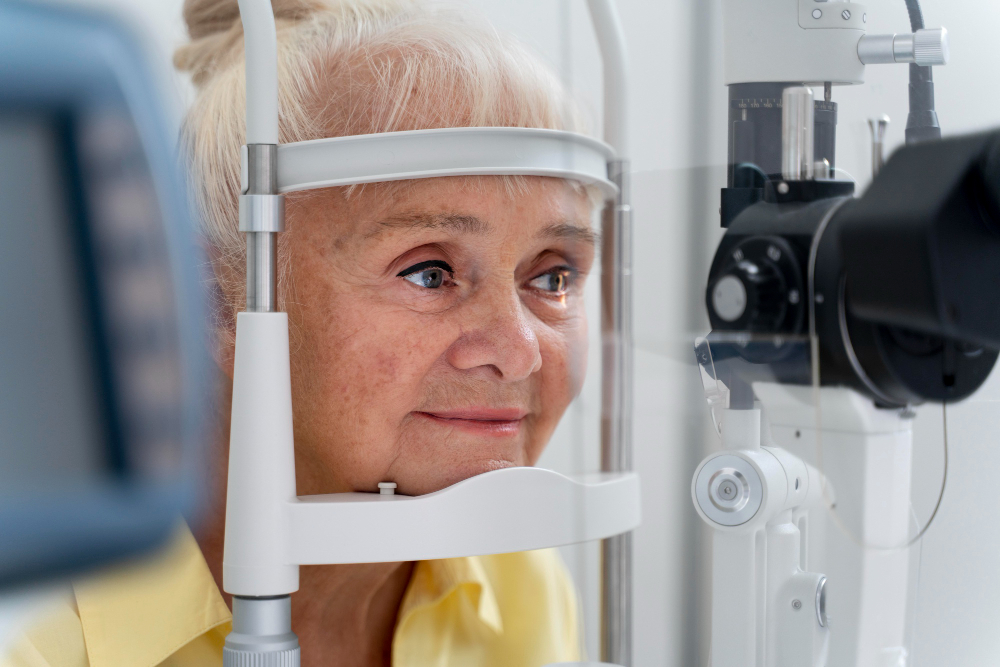
Doctors use special eye exams to find diabetic retinopathy. During a dilated eye exam, your eye doctor will use drops to widen your pupils. This allows them to look closely at the retina. In addition, they may use tests such as:
Because diabetic retinopathy can develop without symptoms, regular screenings are key. The American Diabetes Association recommends yearly eye exams for people with diabetes.
Treatment Options for Diabetic Retinopathy
Treatment depends on how severe the disease is. In early stages, controlling blood sugar, blood pressure, and cholesterol may slow the disease. However, if the condition is advanced, your doctor may suggest:
With prompt treatment, many people can keep their vision. Still, regular follow-up is needed to monitor changes.
How to Prevent Diabetic Retinopathy
While you cannot always prevent diabetic retinopathy, you can lower your risk. Here are some helpful tips:
By following these steps, you can protect your eyes from diabetic eye disease. Early action makes a big difference.
When to See an Eye Specialist
If you have diabetes, it is important to see an eye doctor at least once a year. However, if you notice sudden changes in your vision, call your doctor right away. Quick treatment can help prevent lasting damage.
Conclusion
In summary, diabetic retinopathy is a serious but manageable eye condition linked to diabetes. At Shree PKV Hospital, regular eye examinations, good blood sugar control, and healthy lifestyle habits play an important role in protecting vision. With timely screening and guidance at Shree PKV Hospital, many patients can prevent vision loss and manage diabetic eye changes effectively.
For personalised advice and regular eye screenings, consult an eye specialist at Shree PKV Hospital.