What is Dry Eye Syndrome?
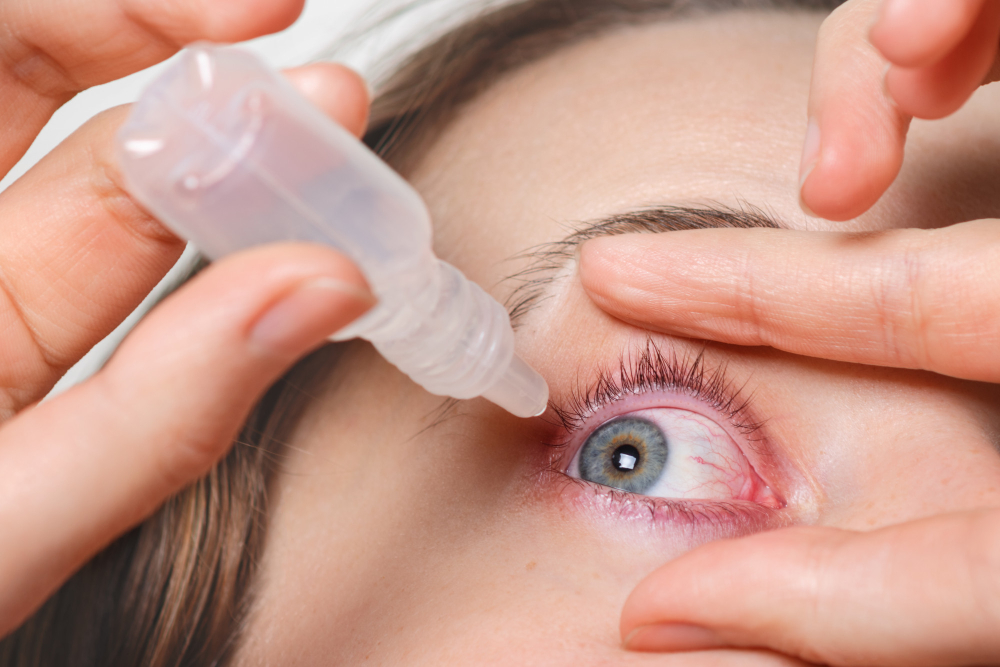
Dry Eye Syndrome is a common eye condition. It happens when your eyes do not make enough tears, or the tears dry up too quickly. As a result, your eyes may feel dry, gritty, or uncomfortable. Many people experience this problem at some point. In fact, Dry Eye Syndrome affects millions worldwide, according to the World Health Organization. Because it can impact daily life, understanding this condition is important.
Common Causes of Dry Eye Syndrome
There are several reasons why Dry Eye Syndrome can develop. Sometimes, it is due to aging. However, other factors can also play a role. For example, certain medications or health conditions may lead to dry eyes. In addition, environmental factors can make symptoms worse.
Because many things can cause dry eyes, it is helpful to know your risk factors.
Recognizing Symptoms of Dry Eye Syndrome
Dry Eye Syndrome can cause different symptoms. Sometimes, the signs are mild. Other times, they can be more bothersome. For example, you may notice discomfort after reading or using a computer. In addition, symptoms may get worse in dry weather.
If you notice these dry eye symptoms often, it may be time to seek help.
How Dry Eye Syndrome is Diagnosed
Doctors use simple tests to diagnose Dry Eye Syndrome. First, they will ask about your symptoms and health history. Next, they may check your eyes with a special light. Sometimes, they use a small strip of paper to measure how many tears you make. This is called a Schirmer test. In addition, your doctor may look at your tears under a microscope. These tests help find the cause and guide dry eye treatment options.
Effective Treatment Options for Dry Eye Syndrome
There are many ways to manage dry eye discomfort. The right treatment depends on how severe your symptoms are. Often, simple steps can bring relief. However, some people may need more advanced care.
Because each person is different, your doctor will suggest the best dry eye treatment options for you.
Lifestyle Tips and Prevention Strategies
There are simple ways to help prevent dry eyes or make symptoms better. For example, small changes in your daily routine can help a lot. In addition, protecting your eyes from harsh environments is important.
By following these tips, you can help in preventing dry eyes and managing dry eye discomfort.
When to See a Doctor
Sometimes, home care is not enough. If your dry eye symptoms do not improve, it is important to seek medical advice. For example, see a doctor if you have:
Because dry eyes can sometimes signal other health problems, a doctor can help find the cause and suggest the right treatment.
Conclusion and Next Steps
In summary, Dry Eye Syndrome is a common and treatable condition. While it can cause discomfort, many people find relief with the right care. Remember, simple lifestyle changes and proper treatment can make a big difference. If you experience persistent dry eye symptoms, consult a healthcare professional at Shree PKV Hospital for personalized advice.