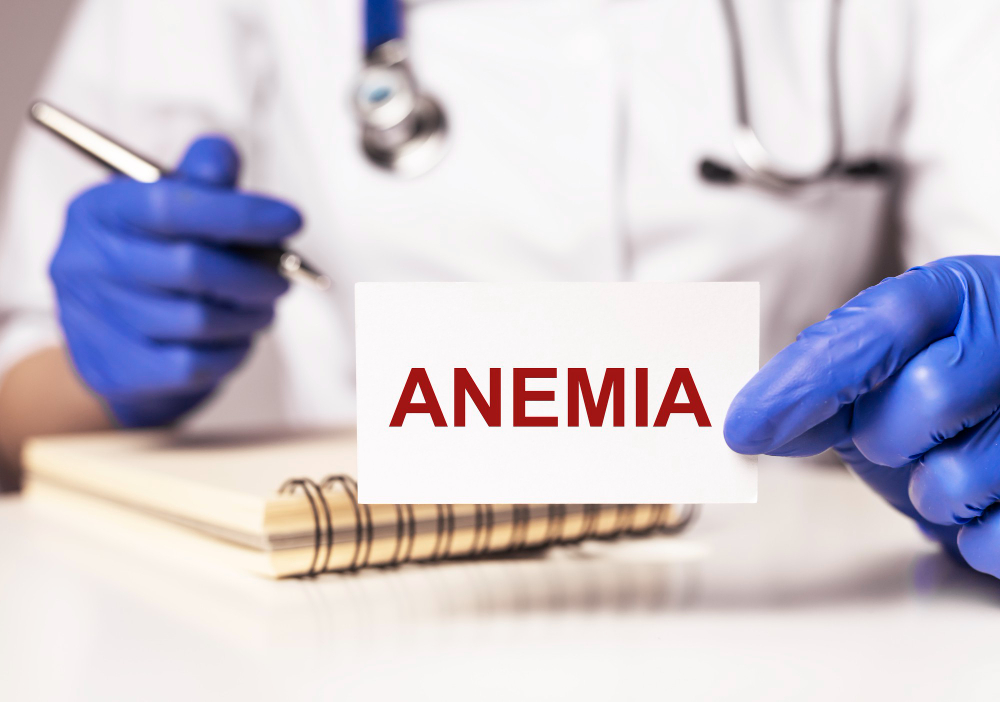
What is Anemia?
Anemia is a health condition where your blood does not have enough healthy red blood cells. These cells carry oxygen to your body. When you have anemia, your body may not get enough oxygen. As a result, you might feel tired or weak. The risk of anemia can affect people of all ages. However, some groups are more likely to develop it. According to the World Health Organization (WHO), anemia is common worldwide.
Who is at Risk of Anemia?
Anyone can develop anemia. Yet, some people have a higher risk of anemia than others. For example, certain groups should pay extra attention:
Because these groups face higher risks, regular check-ups can help catch anemia early.
Common Symptoms of Anemia
Sometimes, anemia symptoms are mild at first. But as it gets worse, you may notice more signs. For instance, you might feel:
However, these symptoms can also be caused by other health issues. So, it is important to talk to a doctor if you notice them.
Causes and Risk Factors
There are many anemia causes. Most often, anemia happens when your body loses blood, makes too few red blood cells, or destroys them too quickly. Some common causes include:
Because these factors can increase your risk of anemia, knowing them can help you stay alert.
How is Anemia Diagnosed?
If you wonder how to know if you have anemia, a doctor can help. Usually, they start with a simple blood test called a complete blood count (CBC). This test checks your red blood cell levels. Sometimes, more tests are needed to find the cause. For example, your doctor may check your iron, vitamin B12, or folic acid levels. Early diagnosis can help prevent serious problems.
Treatment Options
Treatment for anemia depends on the cause. Often, doctors suggest:
Because each person is different, your doctor will choose the best treatment for you.
Lifestyle Tips and Prevention
Preventing anemia is possible for many people. Here are some tips to lower your risk of anemia:
With these steps, you can support your blood health and feel your best.
When to See a Doctor
If you notice symptoms like tiredness, pale skin, or shortness of breath, do not ignore them. Even mild symptoms can signal a problem. Therefore, it is wise to see a healthcare provider. Early treatment can prevent complications. Also, if you belong to a high-risk group, regular blood tests can help catch anemia early.
Consult a healthcare provider at Shree PKV Hospital for personalized advice about your risk of anemia.