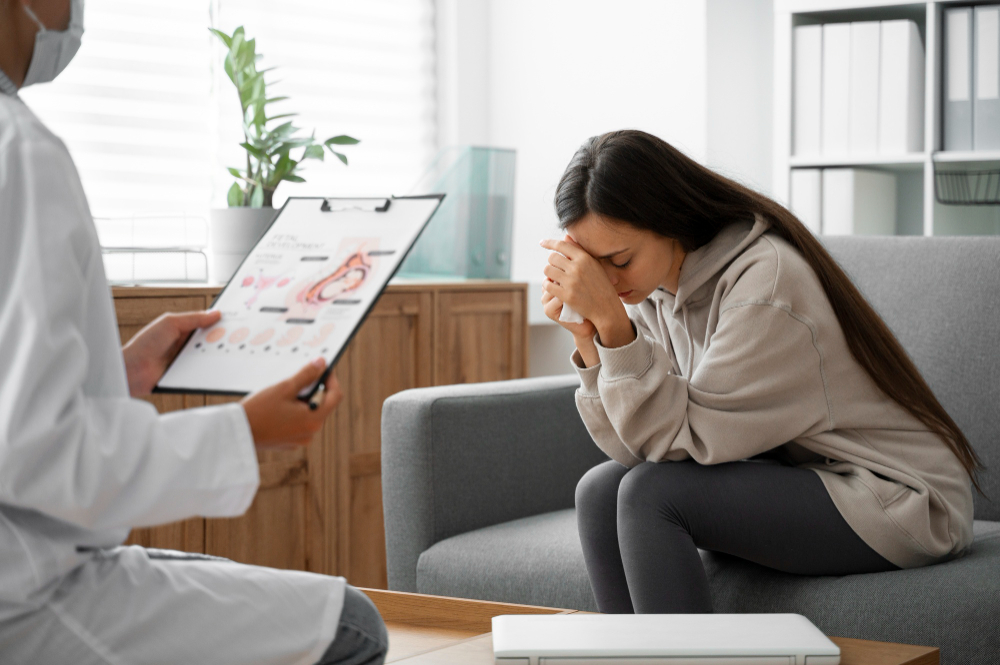
What is an Ectopic Pregnancy?
An ectopic pregnancy happens when a fertilized egg grows outside the uterus. Most often, it occurs in a fallopian tube. Because the egg cannot develop properly outside the uterus, this condition can be dangerous. Early detection of ectopic pregnancy is important for your health. According to the CDC, ectopic pregnancies occur in about 1-2% of all pregnancies.
Common Symptoms of Ectopic Pregnancy
Recognizing the early signs of ectopic pregnancy can help you seek care quickly. While some symptoms are similar to a normal pregnancy, others are different. For example, you may notice:
However, not everyone will have all these symptoms. If you notice any of these signs, especially severe pain or heavy bleeding, seek medical help right away.
Causes and Risk Factors
Several factors can increase your risk for ectopic pregnancy. For instance, damage to the fallopian tubes can make it harder for the egg to reach the uterus. Common risk factors for ectopic pregnancy include:
Still, sometimes ectopic pregnancy happens with no clear cause. But knowing your risk can help you stay alert to early signs.
How Ectopic Pregnancy is Diagnosed
Doctors use several steps to diagnose ectopic pregnancy. First, they will ask about your symptoms and medical history. Next, they may do a pelvic exam to check for pain or tenderness. In addition, they often use:
Sometimes, more than one test is needed. Early diagnosis is important to prevent serious health problems.
Treatment Options
Treatment for ectopic pregnancy depends on your health and how early it is found. Options include:
Your doctor will discuss the best ectopic pregnancy treatment for your situation. After treatment, follow-up visits are important to make sure you heal well.
Prevention and Lifestyle Guidance
While not all ectopic pregnancies can be prevented, you can lower your risk. For example, you can:
Additionally, using protection during sex can help prevent infections that may damage the fallopian tubes. Staying healthy before and during pregnancy is always a good idea.
When to Seek Medical Help
If you think you might have an ectopic pregnancy, do not wait. Seek medical help right away if you have:
Quick action can save your health and even your life. Early signs of ectopic pregnancy should never be ignored.
If you suspect an ectopic pregnancy, consult Shree PKV Hospital immediately for personalized care and guidance.